
Understanding the signs of gambling addiction and how to seek help
Recognizing the Signs of Gambling Addiction
Gambling addiction can often go unnoticed until it becomes a serious issue. One of the primary signs is an overwhelming urge to gamble, despite potential negative consequences. Individuals may find themselves thinking about gambling even when they’re engaged in other activities. This preoccupation can affect personal relationships, work performance, and overall mental health. For those interested in gaming, exploring the best online casinos could lead to unintended consequences if not approached with caution.
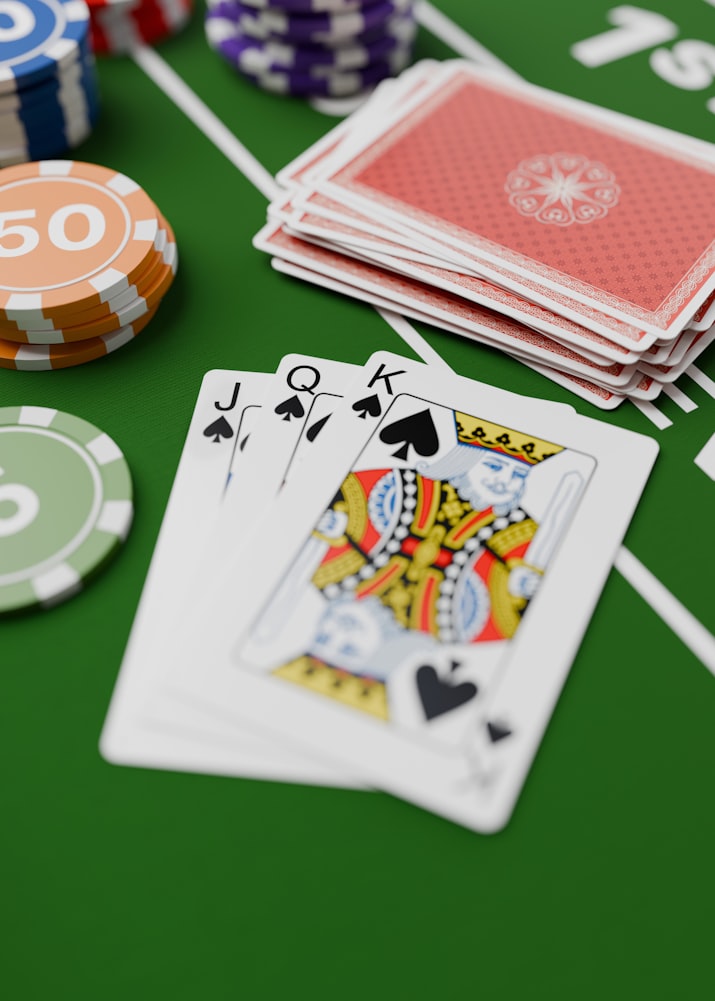
Another key indicator is the increasing amount of time and money spent on gambling. Many individuals will find themselves wagering more than they initially intended, often chasing losses in a bid to win back money. This cycle can lead to financial distress and increased feelings of guilt or shame, making it harder for them to admit they have a problem.
The Emotional Impact of Gambling Addiction
Gambling addiction does not only affect finances; it significantly impacts emotional well-being. Those struggling with this addiction may experience heightened anxiety, depression, and irritability. These emotions can stem from the stress of financial strain or the fear of facing loved ones after incurring losses.
Furthermore, the social aspect of gambling can lead to isolation. Many individuals may withdraw from friends and family, leading to loneliness. This isolation can create a vicious cycle, as individuals may turn to gambling as an escape, further distancing themselves from supportive relationships.
Seeking Help: The First Steps
Recognizing the need for help is a crucial first step toward recovery from gambling addiction. Individuals should consider reaching out to trusted friends or family members who can provide emotional support. Having someone to talk to can alleviate feelings of isolation and shame, making it easier to confront the problem.
Professional help is also vital in addressing gambling addiction. Therapists specializing in addiction can offer various treatment options, including cognitive behavioral therapy, which has shown effectiveness in changing harmful thought patterns associated with gambling. Support groups, such as Gamblers Anonymous, can also provide a community of understanding individuals who share similar struggles.
Understanding Treatment Options
There are several treatment options available for those dealing with gambling addiction. Therapy is often the cornerstone of recovery. Individual counseling can help individuals understand their gambling behavior, while group therapy offers shared experiences and accountability.
In some cases, medication may also be prescribed to manage symptoms of anxiety or depression that accompany gambling addiction. Support networks, both in-person and online, provide additional layers of encouragement and shared experiences, proving invaluable on the path to recovery.

Explore Resources for Gambling Addiction Help
For individuals seeking assistance, various resources are available online and offline. Websites dedicated to gambling addiction provide valuable information and support options. They often feature hotlines, forums, and lists of treatment centers that specialize in addiction recovery.
It’s essential for those affected to know they are not alone in their struggle. The journey to recovery may be challenging, but numerous resources are available to guide individuals through their healing process and promote a healthier, more balanced approach to life.