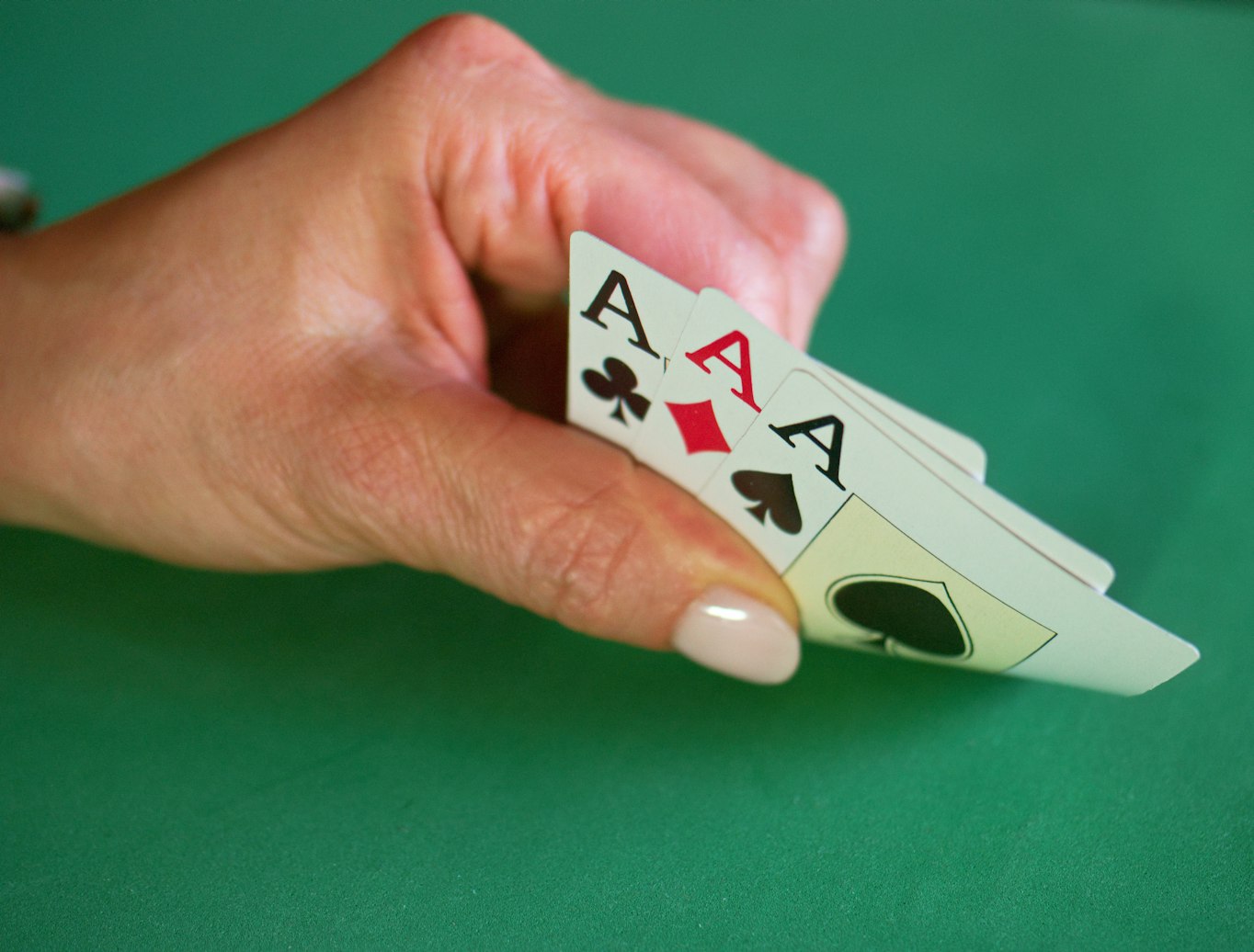
The historical evolution of casinos from ancient gaming to modern sprawling complexes
Origins of Gambling in Ancient Civilizations
The concept of gambling dates back to ancient civilizations, with evidence found in various cultures around the world. Early gaming activities were often tied to religious rituals and social events. For instance, the Chinese played games of chance as far back as 2300 BC, using rudimentary dice. Similarly, the Romans enjoyed gambling in their leisure time, with wagers placed on the outcomes of various games and gladiatorial contests.
These early forms of gaming laid the groundwork for the development of more structured gambling activities. As societies evolved, so too did the complexity and variety of games, leading to a burgeoning interest in chance and skill-based competitions. The advent of currency also played a significant role, allowing people to place bets and engage in wagering more systematically. this site
The Birth of the Casino Concept in Europe
The modern casino as we know it today began to take shape in the 17th century in Europe. The first official casino, known as the Ridotto, opened its doors in Venice in 1638, offering a controlled environment for gambling. This establishment was designed to provide entertainment for the nobility and served as a prototype for future gaming houses. The concept rapidly gained popularity across Europe, leading to the establishment of various gaming houses in cities such as Paris and Monaco.
During this period, gambling became intertwined with social status, leading to lavish establishments that catered to the elite. The rise of these luxurious casinos marked a significant shift in the gambling landscape, emphasizing opulence and sophistication. The games played during this time, including baccarat and roulette, began to attract not just the wealthy but also the general populace, who sought excitement and adventure.
The Expansion of Casinos in the 20th Century
These establishments not only offered traditional games but also incorporated modern amenities such as shows, dining, and nightlife. The combination of gambling with entertainment drew millions of visitors, making casinos a staple of the American tourist experience. This era also witnessed the rise of online gambling, which began to reshape the landscape once again in the late 20th century.